
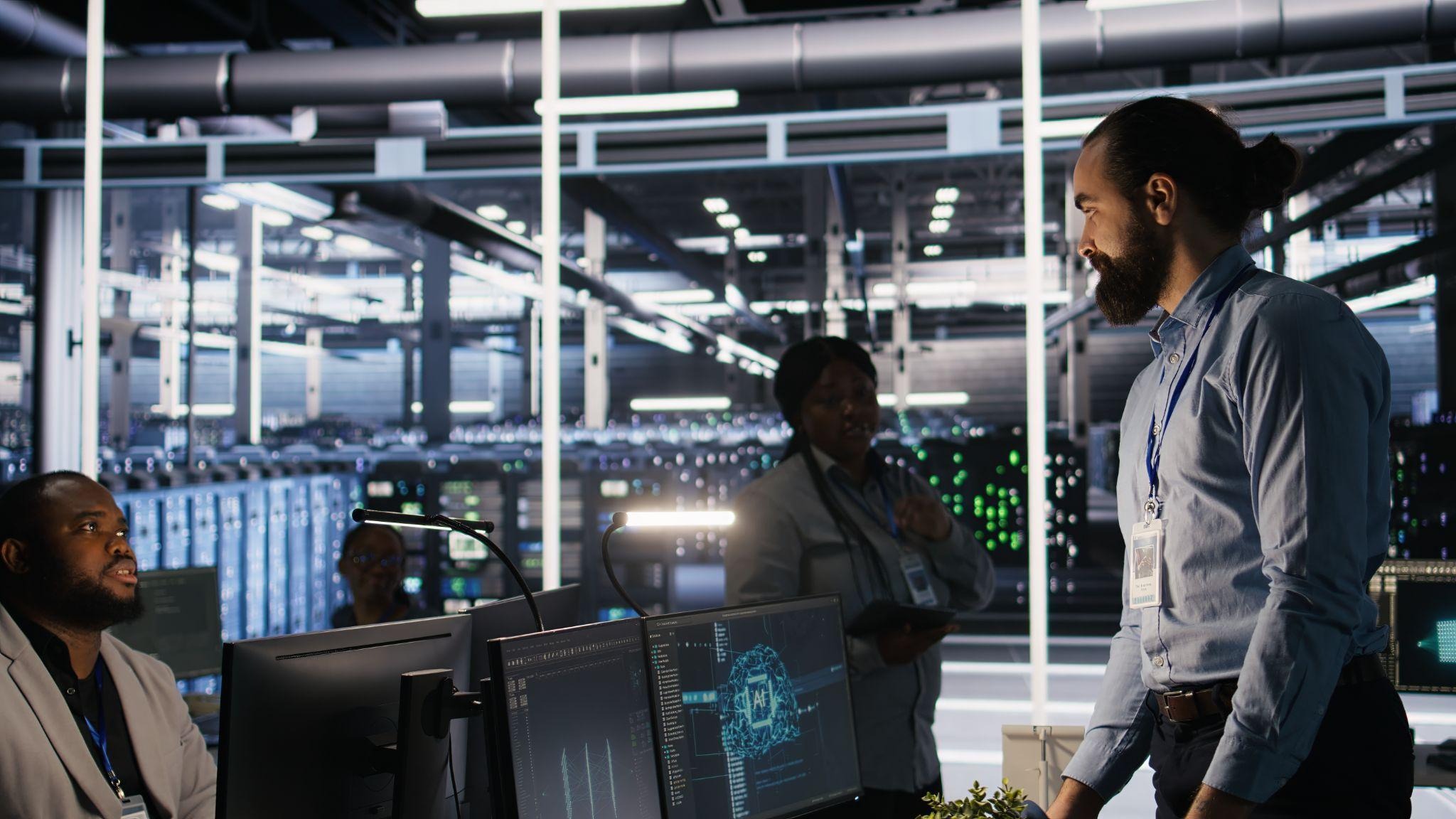
Businesses eventually reach a point where aging servers, storage systems, and networking equipment must be replaced. Simply disconnecting hardware is never enough because every device may contain confidential information, regulated records, or valuable components that require proper handling. A structured retirement strategy minimizes operational disruption while protecting sensitive assets throughout the transition. Organizations investing in data center decommissioning in Dubai gain a controlled process that supports security, compliance, and responsible equipment management.
Every stage should be documented, beginning with planning and ending with verified disposal. Asset inventories, transportation procedures, certified data destruction, recycling, and reporting all contribute to a transparent workflow. When these activities are completed systematically, businesses reduce unnecessary risks while ensuring outdated infrastructure is removed in an environmentally responsible manner.
Why Proper Planning Matters Before Equipment Removal
Successful projects begin long before the first server leaves the rack. Teams need a complete inventory that identifies hardware, storage devices, networking equipment, power systems, and associated accessories. This information creates a roadmap for removal while preventing overlooked assets that could create future security concerns.
Detailed planning also allows organizations to coordinate with internal departments, security personnel, and facility managers. Downtime can be scheduled appropriately, equipment can be tracked from collection through processing, and every stage becomes easier to verify during compliance reviews or internal audits.
Build a Complete Asset Inventory
An accurate inventory records serial numbers, equipment categories, physical locations, and ownership details before removal begins. Maintaining this documentation improves accountability while simplifying the reconciliation process after every asset reaches its final destination.
Define Roles Before the Project Starts
Each participant should understand individual responsibilities throughout the project. IT administrators, security teams, facility managers, and logistics personnel can coordinate schedules more effectively when expectations are established before equipment is disconnected.
Establish a Secure Timeline
Scheduling minimizes disruption to business operations while allowing critical applications to migrate successfully. Careful timing also prevents rushed decisions that may increase the possibility of misplaced hardware or incomplete documentation.
Document Every Movement
Maintaining records from collection through transportation creates an auditable chain of custody. Every transfer should be logged, verified, and supported with appropriate documentation to strengthen accountability during the entire retirement process.
Protecting Sensitive Information Throughout the Process
Retired hardware often contains confidential customer records, employee information, financial data, or proprietary business files. Without verified destruction methods, deleted files may remain recoverable, exposing organizations to unnecessary security risks. Professional handling eliminates this concern through certified destruction procedures designed to prevent future access.
Multiple destruction methods are available depending on business requirements and storage media. Certified data wiping, physical destruction, and documented verification help organizations demonstrate compliance while protecting intellectual property throughout the equipment retirement cycle.
Key practices include:
- Certified data wiping where appropriate.
- Physical destruction for storage media requiring permanent disposal.
- Secure transportation under controlled handling.
- Complete chain of custody documentation.
- Certificates confirming completed destruction.
Responsible Recycling Creates Long-Term Environmental Value
Electronic equipment contains metals, plastics, circuit boards, and other recoverable materials that should not enter general waste streams. Recovering these resources reduces landfill waste while supporting sustainable material reuse across manufacturing industries.
Organizations also strengthen their environmental commitments when obsolete infrastructure is processed through established recycling practices. Components that remain usable may be recovered, while remaining materials are processed according to recognized environmental standards that encourage responsible resource utilization.
Benefits of sustainable processing include:
- Reduced environmental impact.
- Improved recovery of reusable materials.
- Responsible handling of electronic waste.
- Better support for corporate sustainability initiatives.
- Proper documentation for internal reporting.
Meeting Compliance and Documentation Requirements
Compliance extends beyond secure equipment removal. Organizations must demonstrate that every stage of the retirement process follows recognized environmental practices and protects sensitive information through documented procedures. Audit-ready records also simplify regulatory reviews while strengthening internal governance across IT operations.
Reliable documentation creates confidence for stakeholders because every asset can be traced from inventory through final processing. Detailed reports, certificates of destruction, and recycling documentation provide clear evidence that equipment has been handled responsibly while supporting organizational compliance obligations.
Essential documentation should include:
- Complete asset inventory with serial numbers.
- Chain of custody records.
- Certificates of data destruction.
- Recycling certificates for processed equipment.
- Final project reports summarizing completed activities.
A Structured Decommissioning Process Reduces Business Risk
Every successful project follows an organized sequence instead of relying on improvised decisions. Careful planning, secure data removal, equipment dismantling, environmentally responsible recycling, and final reporting create a workflow that protects business continuity while reducing unnecessary exposure. Companies also benefit from improved visibility because each phase is documented before moving to the next.
Likewise, experienced specialists understand how to retire complex IT environments without overlooking storage devices, networking hardware, or supporting infrastructure. Their structured approach allows organizations to complete technology refreshes, office relocations, cloud migrations, or facility closures with greater confidence and measurable accountability.
Final Thoughts
Looking for a secure way to retire outdated IT infrastructure without compromising compliance or sustainability? Choosing the right service provider can simplify every stage of the process while protecting valuable information, ensuring responsible recycling, and maintaining complete documentation from start to finish.
For organizations planning technology upgrades, facility relocations, or infrastructure modernization, Planet Green Recycling (L.L.C.) delivers certified solutions that include secure data destruction, IT asset disposal, environmentally responsible recycling, asset tracking, and documented chain of custody. Businesses seeking a trusted data center decommissioning company in Dubai can benefit from a structured approach that prioritizes security, regulatory compliance, and sustainable resource recovery throughout every phase of the project.