
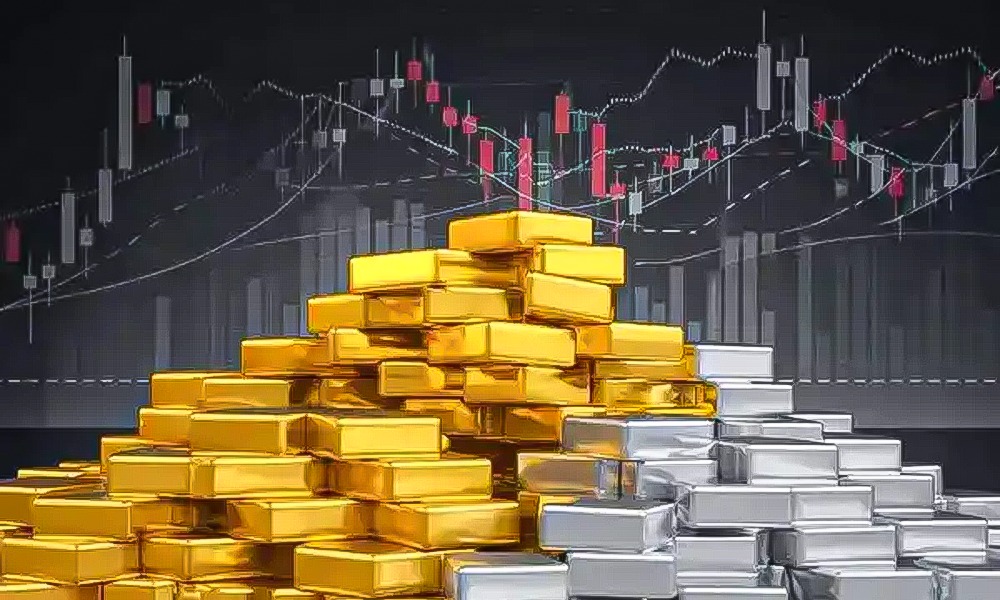
Gold and commodity markets are no longer just spaces for large institutions they’ve become dynamic opportunities for everyday investors who want to grow beyond traditional savings. The real challenge today isn’t finding access to these markets, but understanding how to navigate them with confidence, timing, and the right strategy. In a world where prices shift within seconds, informed decisions can make the difference between profit and loss.
This is where structured market knowledge becomes essential. Working with a gold commodities trading firm can help traders access better insights, improved execution, and a more disciplined approach to market participation. Instead of relying on speculation alone, investors can benefit from strategies that are built on analysis, timing, and risk awareness.
Ultimately, the goal of this guide is to help readers understand how modern commodity trading works, what influences price movements, and how to approach the market with more clarity and confidence.
Understanding Gold and Commodity Markets
Gold and other commodities have always played a unique role in global finance. Unlike stocks or bonds, commodities are influenced by physical demand, geopolitical developments, currency fluctuations, and macroeconomic trends.
Gold, in particular, is seen as a safe-haven asset. When inflation rises or uncertainty increases in global markets, investors often move toward gold as a store of value. On the other hand, commodities like crude oil, natural gas, and agricultural products respond strongly to supply-demand changes, weather conditions, and seasonal cycles.
What makes these markets attractive is their independence from traditional equity cycles. However, this also makes them more volatile, requiring traders to stay updated with global news, technical indicators, and economic signals on a continuous basis. Even small shifts in interest rates or currency strength can significantly influence commodity pricing.
Another important aspect is liquidity. Major commodities are traded globally in high volumes, allowing investors to enter and exit positions relatively easily. However, liquidity can vary depending on the asset and trading session, which makes timing an important factor in strategy building.
Why Commodities Attract Modern Investors
There are several reasons why more individuals and institutions are entering commodity markets today:
- Diversification benefits beyond equities and fixed income
- Inflation hedge potential, especially in precious metals like gold
- Global liquidity, allowing participation across international markets
- High-volatility opportunities, which can create trading potential
- Portfolio stability during economic uncertainty
While these advantages are appealing, they also come with increased complexity. Without proper knowledge and planning, volatility can quickly turn into risk rather than opportunity. That is why structured learning and guided participation are becoming more important than ever.
Role of Brokers in Structured Trading
In India, commodity trading has become more accessible due to digital platforms and improved financial infrastructure. However, accessibility alone is not enough. Traders still require execution support, analytical tools, and regulatory guidance to operate efficiently in fast-moving markets.
A commodities market broker in India plays an important role in bridging this gap by offering trading platforms, real-time pricing data, research support, and risk management systems. These brokers help traders execute orders efficiently while also providing insights that can improve decision-making.
They also ensure compliance with regulatory frameworks, which helps maintain transparency and reduces operational risks for investors. Additionally, many brokers now provide advanced charting tools, automated alerts, and educational resources that help traders develop stronger market understanding over time.
Smart Approaches to Commodity Trading
Success in commodities is less about prediction and more about preparation. Traders who adopt structured strategies often perform better over time compared to those relying on intuition alone.
Some practical approaches include:
- Following global economic indicators such as inflation, GDP trends, and central bank policies
- Using technical analysis to identify entry and exit points with better precision
- Diversifying across multiple commodity categories instead of focusing on a single asset
- Maintaining disciplined stop-loss levels to protect capital
- Avoiding emotional trading decisions during high-volatility periods
Another key factor is consistency. Even strong strategies can fail if applied inconsistently. Traders who maintain discipline and follow predefined rules are more likely to achieve stable results in the long run.
Risk Management in Volatile Markets
Commodity markets are known for sharp and sometimes unexpected price movements, which makes risk management absolutely essential. Even experienced traders prioritise capital protection over aggressive gains.
Key risk management practices include the following:
- Limiting exposure per trade to a small percentage of total capital
- Avoiding excessive leverage that can amplify losses
- Regularly reviewing open positions and adjusting based on market conditions
- Staying updated with geopolitical events, supply disruptions, and economic data releases
- Using hedging strategies when appropriate
Risk management is not about avoiding losses completely—it is about ensuring that losses remain controlled and recoverable. This mindset allows traders to stay active in the market for longer durations and improve overall performance consistency.
Building a Long-Term Trading Mindset
One of the biggest differences between short-term participants and long-term successful traders is mindset. Commodity trading should not be treated as a quick-profit activity but as a structured financial discipline that evolves over time.
Long-term success depends on continuous learning, adapting to changing market conditions, and refining strategies based on real performance data. Traders who invest time in understanding market behaviour tend to develop better judgement and more stable outcomes.
Patience also plays a crucial role. Markets do not always move in predictable patterns, and waiting for the right opportunity is often more valuable than frequent trading. Over time, this disciplined approach helps build both confidence and consistency.
Conclusion
Gold and commodity markets offer significant opportunities for investors who are willing to understand their dynamics and approach them with discipline. While volatility can be challenging, it also creates meaningful trading potential for those who are prepared.
With proper education, structured strategies, and responsible risk management, traders can navigate these markets more confidently and avoid common pitfalls. Ultimately, success in commodities is not about predicting every movement but about building a consistent and informed approach that stands strong in all market conditions.
Modern trading demands speed, simplicity, and access to global markets. Flow FX is a trading platform that lets users access multiple financial markets with real-time data and basic trading tools in one place. It is designed to make trading more accessible and efficient for all types of traders.